Logistics Pulse


This week's top news in trucking and logistics
Global shipping volatility is rising again, and it's showing up in real time. Tanker congestion in the Strait of Hormuz, carrier rerouting strategies, and policy responses tied to energy costs are all reshaping how freight moves. At the same time, evolving tariff refund processes are adding another layer of uncertainty for importers. Together, these dynamics reinforce a familiar truth: the more unpredictable the network becomes, the more important consistency and control become in day-to-day operations. New tools and workflows are emerging to help teams manage that complexity more effectively.
Top articles this week:
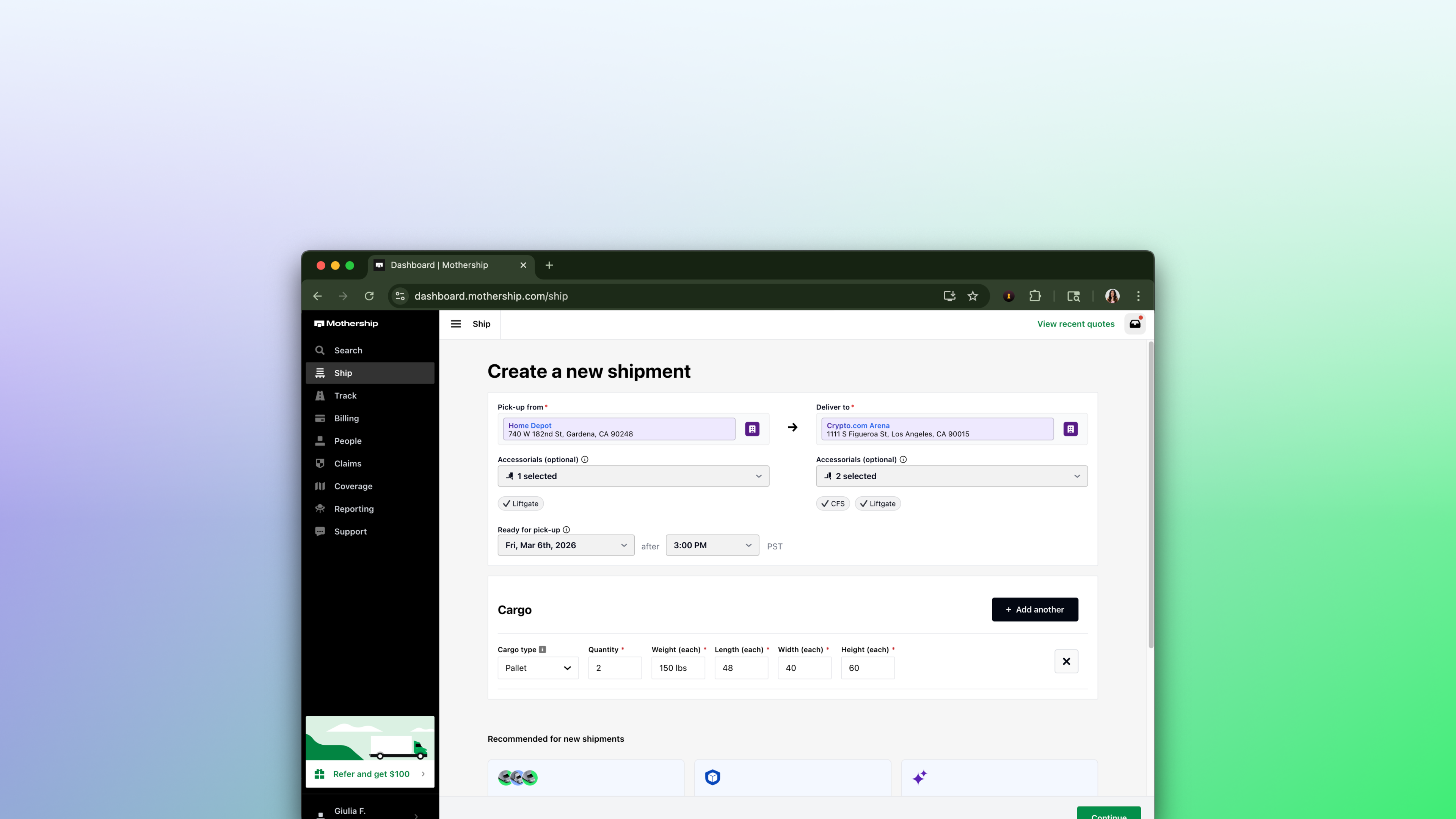
Efficiency at Scale: Why Your Shipping Strategy Needs a Centralized Address Book
Mothership has launched an Address Book on the quoting page to help you save time when booking shipments. Your most-used pickup and delivery locations are already pre-loaded in your Address Book, so you can start using it right away. By storing key location details like operating hours, contact information, and accessorials, Address Book ensures every shipment starts with consistent, accurate data that's shared across your entire organization. Centralizing this data into a single source of truth helps teams standardize execution, reduce friction, and protect margins at scale — while moving faster with confidence on every shipment.
What would faster, more consistent booking unlock for your team as shipment volume grows?

Traffic is trickling through Strait of Hormuz: Who's moving and who's stranded
A growing number of oil tankers are now idling near the Strait of Hormuz, one of the world's most critical shipping chokepoints, as geopolitical tensions disrupt normal transit flows. This isn't just a regional issue — delays in this corridor can ripple across global energy markets, driving up fuel costs and tightening capacity across multiple modes. For shippers, that translates into higher transportation costs, longer lead times, and increased volatility in routing decisions. Even if your freight doesn't move through the region directly, the downstream effects can show up in carrier pricing and availability worldwide. The situation highlights how quickly a single bottleneck can impact global supply chains.
How are you planning for potential delays as global shipping conditions shift?
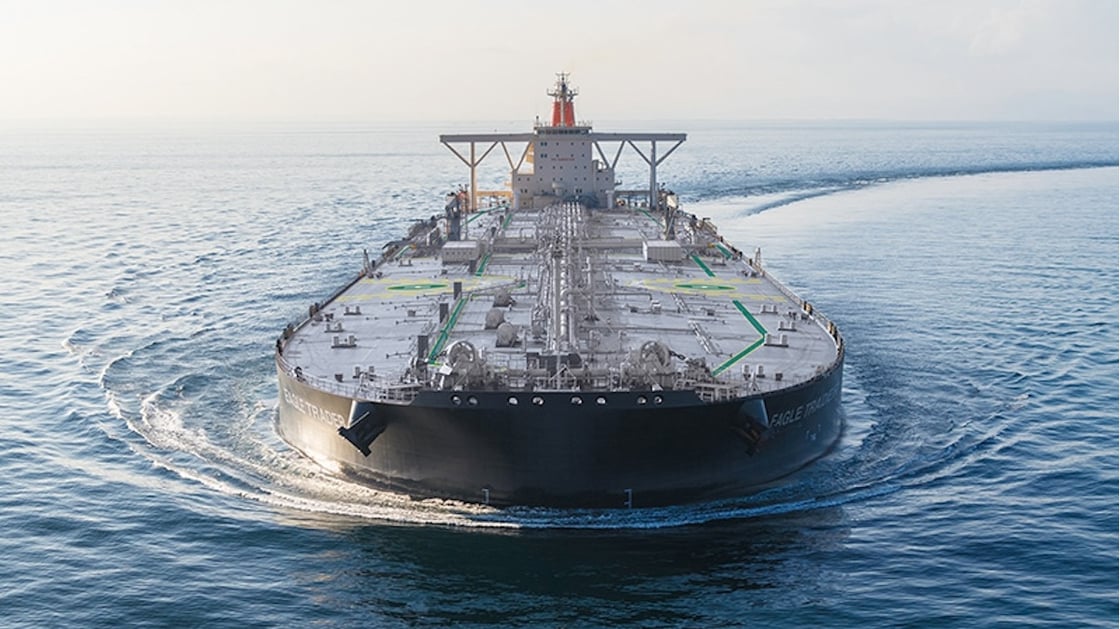
Trump temporarily suspends Jones Act as energy prices soar
The Trump administration has temporarily suspended the Jones Act to ease rising energy costs and increase flexibility in domestic fuel transport. The law typically requires shipments between U.S. ports to move on U.S.-flagged vessels, which can constrain capacity in tight markets. Allowing foreign-flagged ships to carry fuel is intended to relieve supply pressure and stabilize distribution. The move reflects how global disruptions, particularly in key shipping corridors, are influencing domestic logistics policy. While the waiver is temporary, it highlights how quickly conditions can shift when supply chains are under strain.
How is your team accounting for potential policy shifts that could impact capacity or routing?
Watch this week's top stories ▶️
Subscribe to our YouTube channel for weekly freight and logistics insights.


In Other News:
CMA CGM sets new Hormuz land bypass routes
CMA CGM is rolling out land-based bypass options to move cargo around disruptions in the Strait of Hormuz, reflecting how carriers are adjusting routing strategies to maintain service continuity.
US finalizes reciprocal trade deal with Ecuador
A new reciprocal trade deal could open additional sourcing and trade lane opportunities, as companies continue to diversify supply chains.
Read more on Supply Chain Dive
Rail outlook up on firmer economic factors: AAR
U.S. rail volumes are expected to strengthen, pointing to more stable domestic freight demand and potential shifts across transportation modes.
It's war: Liner charges for 'free' Gulf container storage
Some ocean carriers are introducing charges for previously free storage in congested regions, highlighting how quickly cost structures can change during disruption.
CBP is working on 4-step tariff refund process
CBP is making progress on tariff refunds tied to invalidated duties, but timelines and details remain unclear for importers.
Read more on Supply Chain Dive
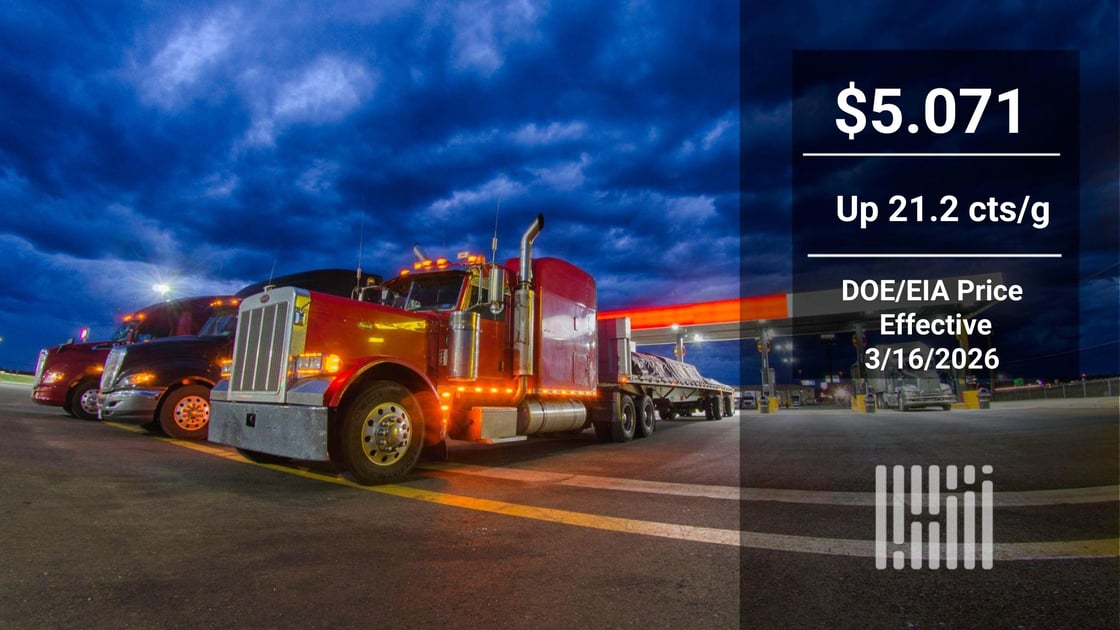
Diesel benchmark moves above $5/g for first time since 2022